Description
High-Purity Perchloric Acid: Premium Chemical Solutions for Industrial & Laboratory Applications
Perchloric Acid (HClO₄) represents one of the most powerful and versatile mineral acids available in today’s chemical industry. This highly corrosive, colorless liquid delivers exceptional oxidizing properties that make it indispensable across analytical chemistry, metal processing, and specialized industrial applications. Available in precisely controlled concentrations of 20%, 60%, and 70% purity levels, perchloric acid serves as a critical component in laboratory research, manufacturing processes, and analytical procedures worldwide.
Our premium-grade perchloric acid meets stringent AR (Analytical Reagent), ACS (American Chemical Society), and Laboratory-grade specifications, ensuring consistent performance and reliability for demanding applications. Each batch undergoes rigorous quality control testing to guarantee purity standards that exceed industry requirements, making it the preferred choice for laboratories, research institutions, and industrial facilities requiring superior chemical performance.
The unique molecular structure of perchloric acid (HClO₄) provides exceptional thermal stability and powerful oxidizing capabilities, particularly at higher concentrations. This makes it invaluable for applications ranging from organic sample digestion and quantitative analysis to metal surface treatment and specialty compound synthesis. When handled properly with appropriate safety protocols, perchloric acid delivers unmatched performance in critical chemical processes.
Industrial Applications and Commercial Uses of Perchloric Acid
Perchloric acid’s exceptional properties make it essential across diverse industrial sectors. In analytical chemistry laboratories, it serves as a primary reagent for organic sample digestion, enabling precise quantitative analysis of complex materials. The acid’s powerful oxidizing properties break down organic matter completely, leaving minimal residue and ensuring accurate analytical results.
Manufacturing industries rely on perchloric acid for metal etching and electroplating processes, where its corrosive properties create precisely controlled surface modifications. The electronics industry particularly values perchloric acid for semiconductor manufacturing and printed circuit board production, where ultra-clean etching is critical for product performance.
The aerospace and defense sectors utilize perchloric acid in rocket propellant manufacturing and explosive compound synthesis. Its oxidizing properties contribute to the high-energy chemical reactions necessary for propulsion systems. Additionally, perchloric acid serves as a catalyst in organic synthesis reactions, facilitating the production of specialty chemicals and pharmaceutical intermediates.
Quality Standards and Product Specifications
Our perchloric acid consistently meets or exceeds international quality standards, with each production batch certified to AR, ACS, and Laboratory-grade specifications. The manufacturing process employs advanced purification techniques to achieve the precise concentration levels required for critical applications.
Chemical Properties and Characteristics
Perchloric acid exhibits remarkable chemical stability and consistent performance across various temperature ranges. The clear, colorless liquid maintains its properties throughout the specified shelf life of five years when stored under proper conditions.
Product Specifications
| Property | Specification |
|---|---|
| Chemical Name | Perchloric Acid |
| CAS Number | 7601-90-3 |
| Concentration | 20%, 60%, 70% |
| Appearance | Clear, Colourless Liquid |
| Grades Available | AR / ACS / Lab |
| UN Number | 1873 |
| Shelf Life | 5 Years |
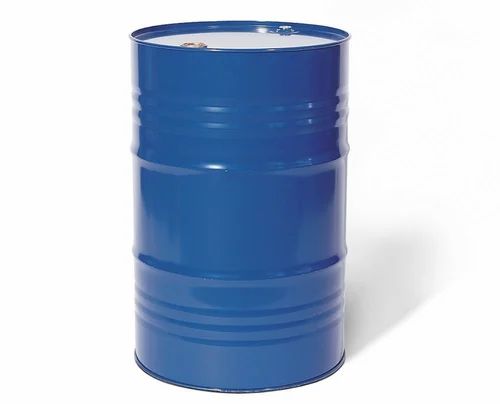
| Packaging Options | HDPE Jerry Cans, UN-Certified Drums |
Packaging and Distribution Options
We offer perchloric acid in multiple packaging configurations to meet diverse customer requirements. HDPE jerry cans provide convenient handling for laboratory quantities, while UN-certified drums accommodate larger industrial volumes. All packaging materials resist corrosion and maintain chemical integrity during transport and storage.
Analytical Grade Purity Standards
Every batch of perchloric acid undergoes comprehensive quality testing to verify purity levels and chemical composition. Our analytical laboratory employs state-of-the-art instrumentation to ensure compliance with international standards, providing customers with detailed certificates of analysis for quality assurance and regulatory compliance.
Laboratory Applications and Research Uses
Research laboratories worldwide depend on high-purity perchloric acid for critical analytical procedures. Sample digestion protocols rely on perchloric acid’s ability to completely break down organic materials, enabling accurate trace element analysis. The acid’s oxidizing power ensures complete mineralization of biological samples, soil specimens, and environmental matrices.
Quantitative analysis procedures benefit from perchloric acid’s consistent performance and minimal interference with analytical instrumentation. Its use in wet digestion methods provides superior recovery rates compared to alternative acids, making it essential for laboratories requiring precise analytical results.
Safety Protocols and Handling Requirements
Perchloric acid requires specialized handling procedures due to its powerful oxidizing properties and potential for violent reactions with organic materials. Proper storage facilities must include corrosion-resistant containment, specialized ventilation systems, and emergency response equipment. Personnel handling perchloric acid must receive comprehensive safety training and utilize appropriate personal protective equipment.
Storage areas require perchloric acid-compatible fume hoods or scrubber systems to manage vapors safely. The acid must be segregated from organic materials, reducing agents, and incompatible chemicals to prevent dangerous reactions. Regular inspection of storage containers and safety equipment ensures continued safe operation.
Temperature control during storage and handling prevents concentration changes that could affect performance or safety. Emergency response procedures should address spill containment, exposure treatment, and facility evacuation protocols. Regular safety audits and personnel training updates maintain the highest safety standards.