Description
Glycerol 99.5% Pure | Pharmaceutical Grade Glycerin for Sale
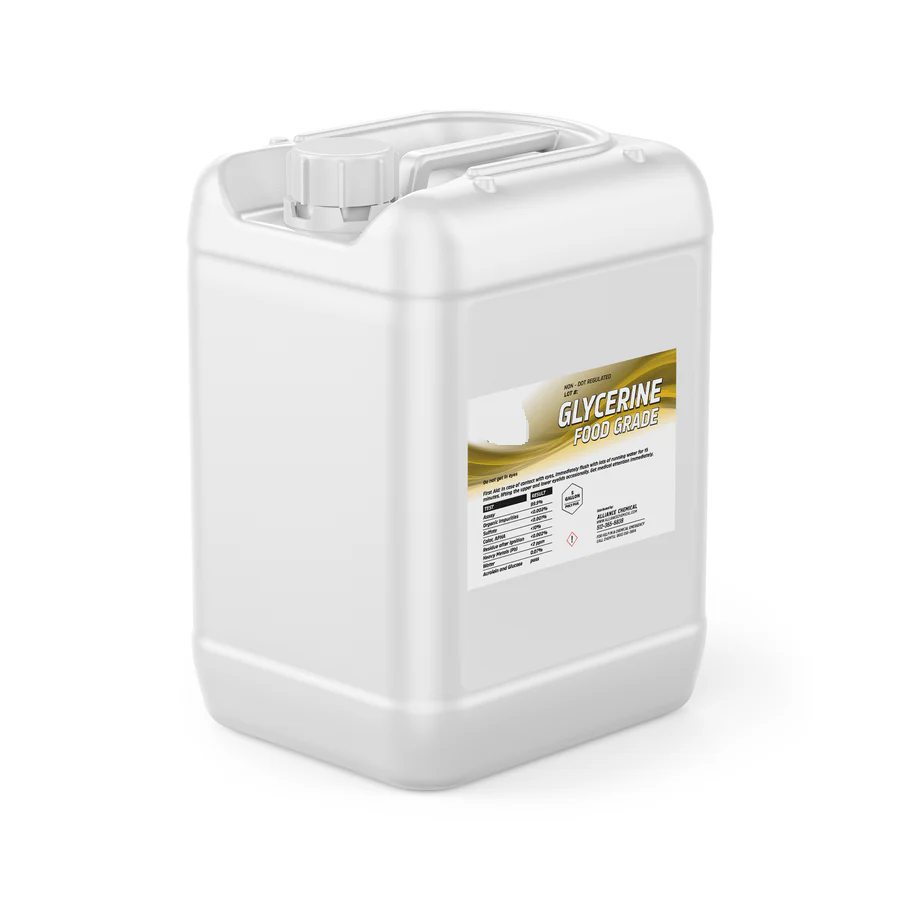
Glycerol (CAS No. 56-81-5), also known as Glycerin, is a versatile trihydroxy alcohol supplied in a range of purities — 87%, 98%, and 99.5% — to meet diverse industry needs. Available in Extra Pure and AR (Analytical Reagent) grades, this product is a clear, colorless, viscous liquid with excellent solubility in water and low toxicity.
High Purity Glycerol for Cosmetic and Laboratory Applications
In the pharmaceutical industry, Glycerol is used as a solvent, excipient, and humectant in oral and topical formulations. This premium grade glycerin meets strict pharmaceutical standards and is essential for electrolyte solutions and medical applications. In cosmetics, it serves as a moisturizer and skin-conditioning agent in creams, lotions, and serums.
According to the National Center for Biotechnology Information, glycerol plays a crucial role in maintaining skin hydration and barrier function. In the food industry, it is employed as a sweetener, preservative, and texturizer, making it indispensable for food manufacturers across South Africa and the SADC region.
Product Specifications and Chemical Properties
| Property | Specification |
|---|---|
| Chemical Name | Glycerol (Glycerin) |
| CAS Number | 56-81-5 |
| HS Code | 2905.45.00 |
| Purity | 87%, 98%, 99.5% |
| Appearance | Clear, Colorless, Viscous Liquid |
| Grade | Extra Pure / AR |
| Molecular Formula | C₃H₈O₃ |
| Molecular Weight | 92.09 g/mol |
| Odor | Odorless |
| Taste | Sweet |
| Solubility | Freely Soluble in Water and Alcohol |
| Boiling Point | ~290 °C |
| Melting Point | ~18 °C |
| Shelf Life | 5 Years |
| Packaging | HDPE Bottles, Glass Jars, Steel Drums, 25kg Containers |
| UN Number | Not Regulated |
Industrial and Laboratory Uses of Pure Glycerol
Glycerol is commonly used in biochemical and molecular biology laboratories as a cryoprotectant, buffer component, and reagent in enzymatic assays. For comprehensive laboratory chemical applications, our technical team provides detailed guidance on optimal usage protocols. Its hygroscopic nature and chemical stability allow for extended shelf life and consistent performance in moisture-sensitive applications.
The American Chemical Society recognizes glycerol as a key component in green chemistry applications, making it ideal for sustainable manufacturing processes across Johannesburg, Cape Town, Durban, and other South African industrial centers.
Packaging Options and Storage Requirements
Available in various packaging formats to suit different industrial requirements:
- HDPE Bottles: 1L, 5L, 25L sizes for laboratory use
- Glass Jars: 500ml, 1L for pharmaceutical applications
- Steel Drums: 200L for bulk industrial applications
- IBC Containers: 1000L for large-scale manufacturing
This product remains stable for 5 years when stored in airtight, light-resistant containers in a cool, dry environment, making it ideal for long-term storage in warehouses across the SADC region.
Applications Across Multiple Industries
- Excipient, humectant, and solvent in pharmaceutical formulations
- Moisturizer and softener in skincare and personal care products
- Sweetener and preservative in food and beverage production
- Cryoprotectant and reagent in biochemical and lab processes
- Used in toothpaste, soaps, lotions, and other consumer products
- Industrial applications in textile and leather processing
- Agricultural applications as a soil conditioner